
For many of us, our blood pressure numbers do not enter our minds much. That is until we are sitting in a doctor's office with a cuff wrapped around our arm, of course. Yet for millions of Americans, blood pressure may be one of the most important numbers affecting their long-term health.
High blood pressure, also known as hypertension, affects nearly half of adults in the United States. Even more concerning is that many people do not realize they have it. Because hypertension often develops without obvious symptoms, it has earned the nickname "the silent killer."
Left untreated, high blood pressure can increase the risk of heart disease, stroke, kidney disease, cognitive decline, and other serious health problems. The higher blood pressure rises, and the longer it remains elevated, the greater the risk becomes.
What Do Blood Pressure Numbers Mean?
When your blood pressure is measured, two numbers are reported.
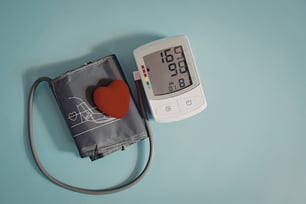
The top number, called the systolic blood pressure, measures the pressure inside your arteries when the heart contracts and pumps blood throughout the body. The bottom number, known as diastolic blood pressure, reflects the pressure within the arteries while the heart is resting between beats.
A normal blood pressure reading is generally considered to be less than 120/80 mm Hg. Readings above this level may be categorized as elevated blood pressure, Stage 1 hypertension, or Stage 2 hypertension depending on their severity.
While both numbers are important, they often reflect different processes occurring within the cardiovascular system. Elevated systolic blood pressure is more common in adults over age 50 and is frequently associated with stiffening of the arteries over time. Elevated diastolic blood pressure tends to occur more often in younger adults and is related to increased resistance within smaller blood vessels.
Why Is Hypertension So Important?
One of the greatest challenges with hypertension is that it rarely occurs alone. Many patients with high blood pressure also have other cardiovascular risk factors such as smoking, obesity, diabetes, or chronic kidney disease.
When these conditions occur together, the risk of serious cardiovascular events increases substantially. This is why healthcare providers consider more than just blood pressure results alone when determining the best treatment approach. Factors such as age, medical history, and overall cardiovascular risk all play an important role in developing an individualized treatment plan. Fortunately, there are many effective ways to lower blood pressure and reduce long-term risk, and multiple ongoing research trials are in process seeking to develop novel medications and, in some cases, new uses for previously discovered ones to treat hypertension.
Can Blood Pressure Be Treated?
For many people, treatment begins with lifestyle changes. Weight loss, regular physical activity, reducing dietary sodium, and smoking cessation can all help improve blood pressure control and overall cardiovascular health.
However, lifestyle changes alone may not be enough for everyone. Patients with more significant elevations in blood pressure or additional cardiovascular risk factors may require medication to reduce the risk of heart attack, stroke, heart failure, and other complications.
Because hypertension affects different patients differently, treatment plans are often tailored to the individual. Some patients achieve excellent control with a single medication, while others may require a combination of therapies to reach their target blood pressure.
Over the past several decades, clinical research has led to the development of numerous medications that safely and effectively lower blood pressure. Some medications help the body eliminate excess salt and water, while others relax blood vessels or block hormonal pathways that contribute to elevated blood pressure.
In a comprehensive 2025 publication multiple medical organizations including the American Heart Association (AHA) and the American College of Cardiology (ACC) set out guidelines for the prevention, detection, evaluation, and management of high pressure in adults. This article, the first of its kind related to hypertension since 2017, incorporates recent high quality research data and expert medical opinion into a roadmap of recommendations for the future as high pressure remains the most prevalent and modifiable risk factor for the development of heart disease. Among the highlights of this article is further adoption of a risk-based approach to hypertension management and potential earlier introduction of medication intervention for less severely hypertensive patients.
When Should You Talk to Your Doctor?
-1.png?width=324&height=216&name=Blog%20Images%20(1)-1.png) Since high blood pressure often causes no symptoms, regular screening is essential.
Since high blood pressure often causes no symptoms, regular screening is essential.
This regular screening may be aided by the use home blood pressure monitors, wearables devices to calculate blood pressure while working or sleeping, and even remote monitoring guided by your doctor or employing AI technology to better understand blood pressure as a part of your everyday life. Knowing your blood pressure numbers is one of the simplest and most effective ways to understand your cardiovascular risk and take steps to protect your health. If you, or a loved one, have elevated blood pressure, a family history of heart disease, or other cardiovascular risk factors, discussing screening and treatment options with your healthcare provider is an important first step.
Clinical Trial
At Chase Medical Research, we are proud to participate in clinical trials focused on improving the treatment of hypertension and cardiovascular disease. These studies help advance medical knowledge while providing participants with access to experienced healthcare professionals and ongoing support throughout the research process.
If you are interested in learning more about hypertension research studies or other clinical trials currently being conducted at Chase Medical Research, we encourage you to contact our office. Our team is here to answer your questions and help you explore whether participation may be right for you.